CREATIVE AND STRATEGIC THINKING
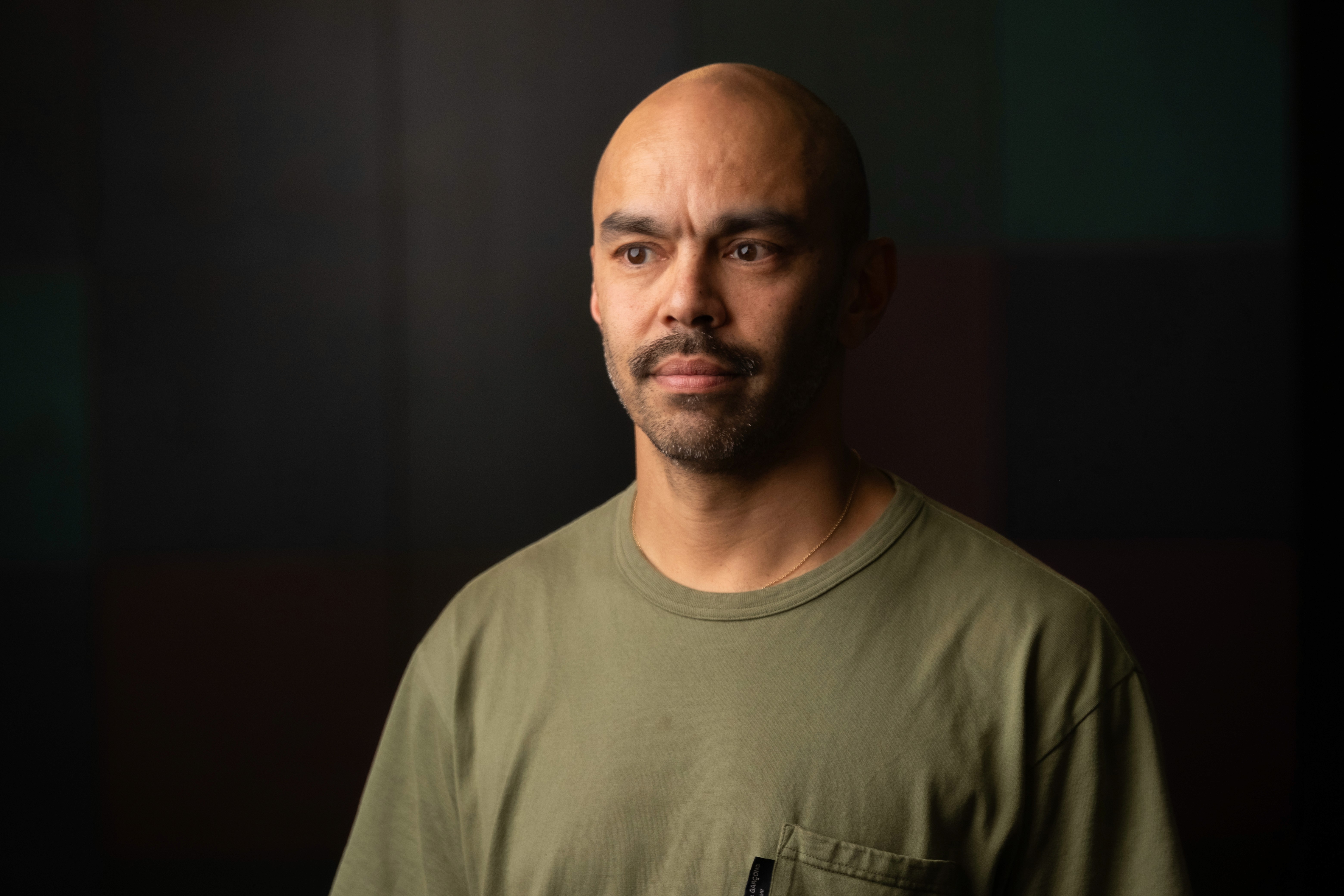
There is a particular kind of person who understands instinctively that a brand is not a logo. It is not a colour palette, a font choice, or a carefully worded mission statement. It is the invisible architecture that determines how a business is perceived before anyone has said a word. Cesar has understood this for longer than most. And he has spent the better part of a decade proving it.
Cesar is the founder and creative director of Craate Creative, a Melbourne-based brand strategy and creative agency working with some of the most ambitious companies in Australia and beyond.
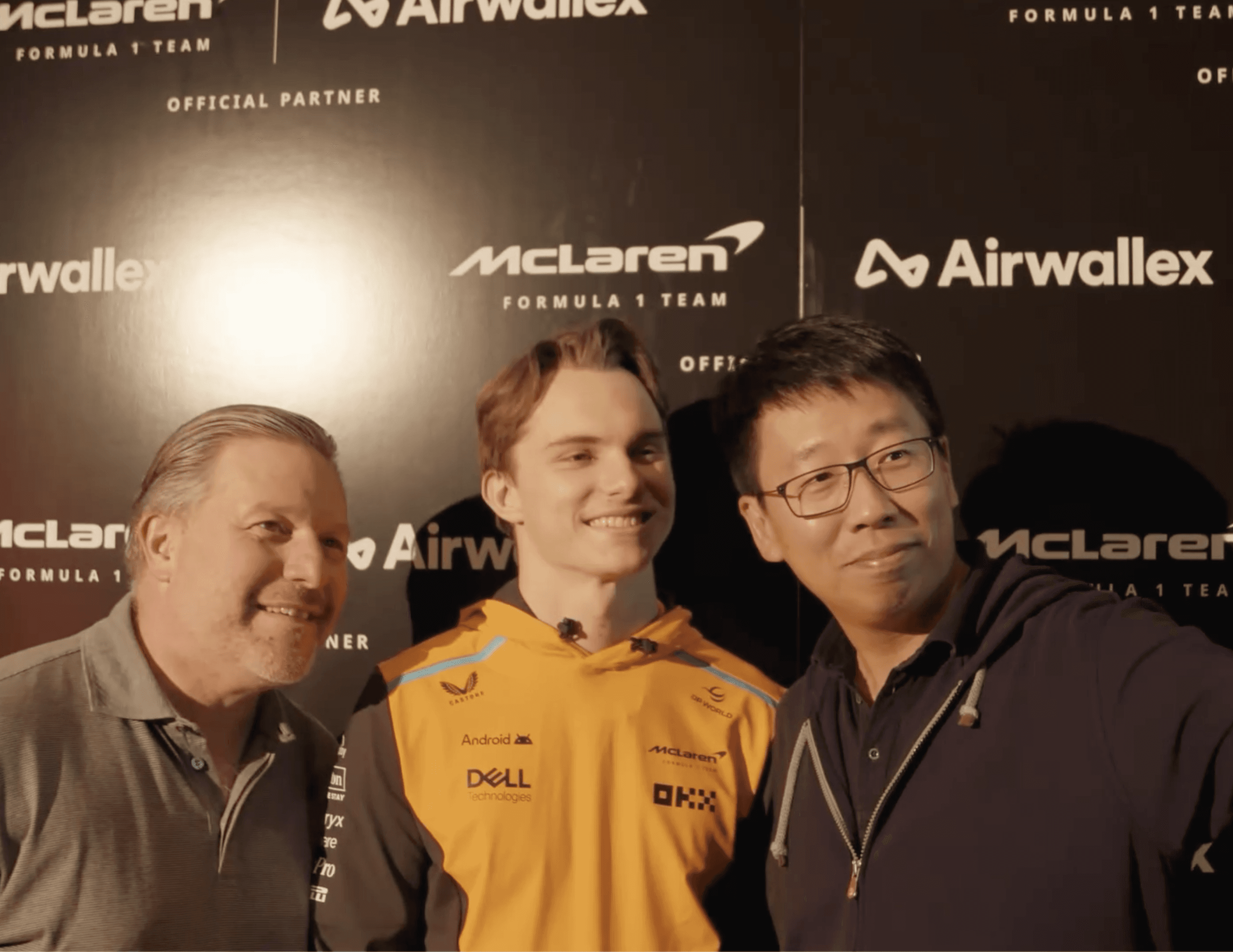
His client list reads like a study in range. Formula 1. McLaren. Airwallex. Commonwealth Bank. RACV. Beatport. ABC Music. Ecosa. Midsumma Festival. The St Kilda Film Festival. Government bodies. Tech disruptors. Cultural institutions. Hospitality groups. The breadth is not accidental. It is the point.
But to understand what Craate Creative is, and why it operates the way it does, you need to understand where Cesar came from. Because his path to building one of Australia's most interesting creative agencies is anything but conventional.


The Education That Actually Mattered
Cesar studied music performance and composition at the Victorian College of the Arts in Melbourne. What he was being trained to do and what he was actually learning turned out to be two entirely different things.
The formal education gave him rigour. Structure. An understanding of how creative systems work, how tension and resolution operate, how to build something that moves a person from one emotional state to another. These are not music concepts. They are human concepts. And they would turn out to be the most transferable skills he would ever develop.
What came next was a music career that took him around the world. Performances at Glastonbury. SXSW in Austin, Texas. The Big Day Out. An ARIA nomination. He was doing what he had trained to do. But the more interesting education was happening in the margins.
On the road, Cesar began developing his eye. Photography first, then video. Not as a hobby but as a language. He was drawn to storytelling through a lens, to the question of how you compress a feeling into a single frame or a two-minute film. He did not know it then, but he was building the foundation of everything that would follow.
He also founded Blank Tape Music, a record label and artist management company that helped shape and launch several careers within the Australian independent music scene. And it was here, inside one of the most commercially unforgiving creative industries on earth, that Cesar discovered what marketing actually required.
The independent music world operates without safety nets. There are no guaranteed audiences, no inherited brand equity, no institutional marketing budgets to fall back on. You build a following from nothing or you do not build one at all. Cesar learned to identify the right channels, craft the right message, and tell a story compelling enough that strangers would stop, listen, and come back for more. The lesson was fundamental: creative work without strategic intent is just noise.



The challenge was not the product.
The challenge was the story.
Cesar took on the role of Creative Director with a brief that was, in essence, to make the world understand why this product mattered. He conceived, produced, and engineered a creative strategy that centred on what he had always believed worked best: an honest, human story told with precision and confidence. No industry jargon. No technical overclaiming. Just the truth of the experience, communicated in a way that made people feel something.
The result was a single video asset that generated tens of millions of dollars in sales over several years, scaling globally as the commercial engine behind Nura's product launch.
Cesar is characteristically direct when he talks about why it worked. He went with his gut. His relative naivety about performance marketing at the time meant he was not distracted by the metrics. He trusted the story. The data followed.
It was also inside Nura that something else crystallised. Working within a fast-scaling startup, Cesar had a front row seat to the way brand behaved in practice. He watched what happened when a business had a powerful, coherent brand identity and what happened when it did not. He saw how a strong brand made every decision easier, every communication sharper, and every customer relationship more durable. He saw, equally, how a weak brand created friction at every level, from hiring to partnerships to customer trust.
He had found the problem he wanted to spend his career solving.
Building the Agency He Wished Existed
Craate Creative was founded in 2021, during the stillness of the Melbourne lockdowns, and taken to market in earnest in 2022. The timing, in retrospect, was almost irrelevant. The idea had been building for years.
Cesar had been the client. He had sat across the table from agencies, some of them producing genuinely brilliant work, and watched the relationships fail anyway. The distance between agency and business. The gate-keeping between strategy and execution. The cost of creative that was aesthetically strong but commercially disconnected. The slow, expensive, often frustrating process of trying to get an external team to truly understand what a business was trying to become.
The founding principle was proximity. Craate would operate as close to a business as possible without being inside it. Not a vendor, not a supplier, not a studio that took a brief and disappeared for six weeks. A genuine creative and strategic partner, embedded in the ambitions of the brands it worked with, present at the level where the real decisions were being made.
From the outset, Cesar pushed the offering beyond production. Beyond campaign execution. Beyond beautiful visuals and well-targeted digital spend. He wanted to build brands. To work at the level where the foundational thinking happened, where a business defined what it stood for, who it was speaking to, and what it was trying to become. Brand strategy became the anchor of everything Craate did.
He built Craate to fly directly in the face of that model.









A Different Kind of Team
One of the more deliberate decisions Cesar made when building Craate was about who he hired and why.
The philosophy was specific. Find people who are world-class at one or two things and genuinely strong across four or five more. Not generalists. Not narrow specialists. Multi-talented creatives whose individual capabilities overlapped in ways that made the team disproportionately powerful relative to its size.
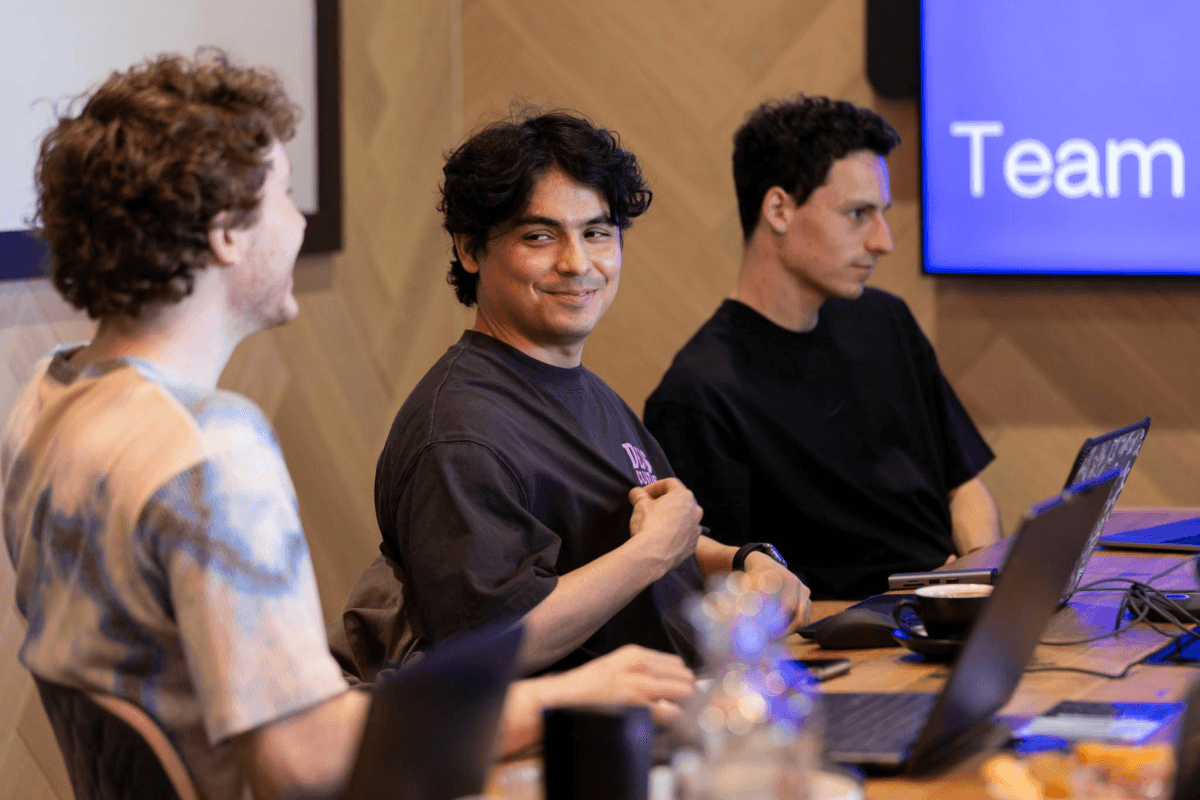
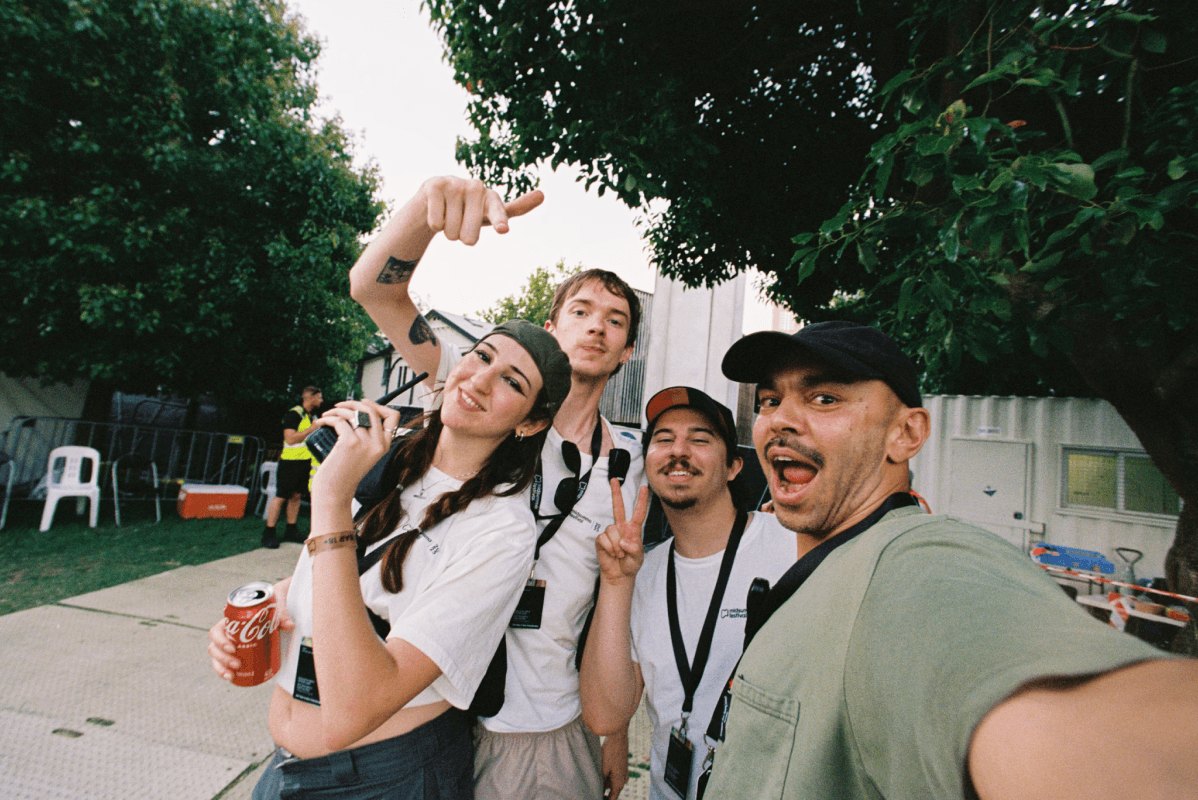
The result is a Venn diagram of talent. A small, agile group capable of producing work at a level most studios three times their headcount could not match. The size is an advantage, not a limitation. It keeps the thinking sharp, the communication direct, and the relationships real. There is no middle layer between the person with the idea and the person executing it.
Cesar sits at the centre of that structure. Not above it, but within it.
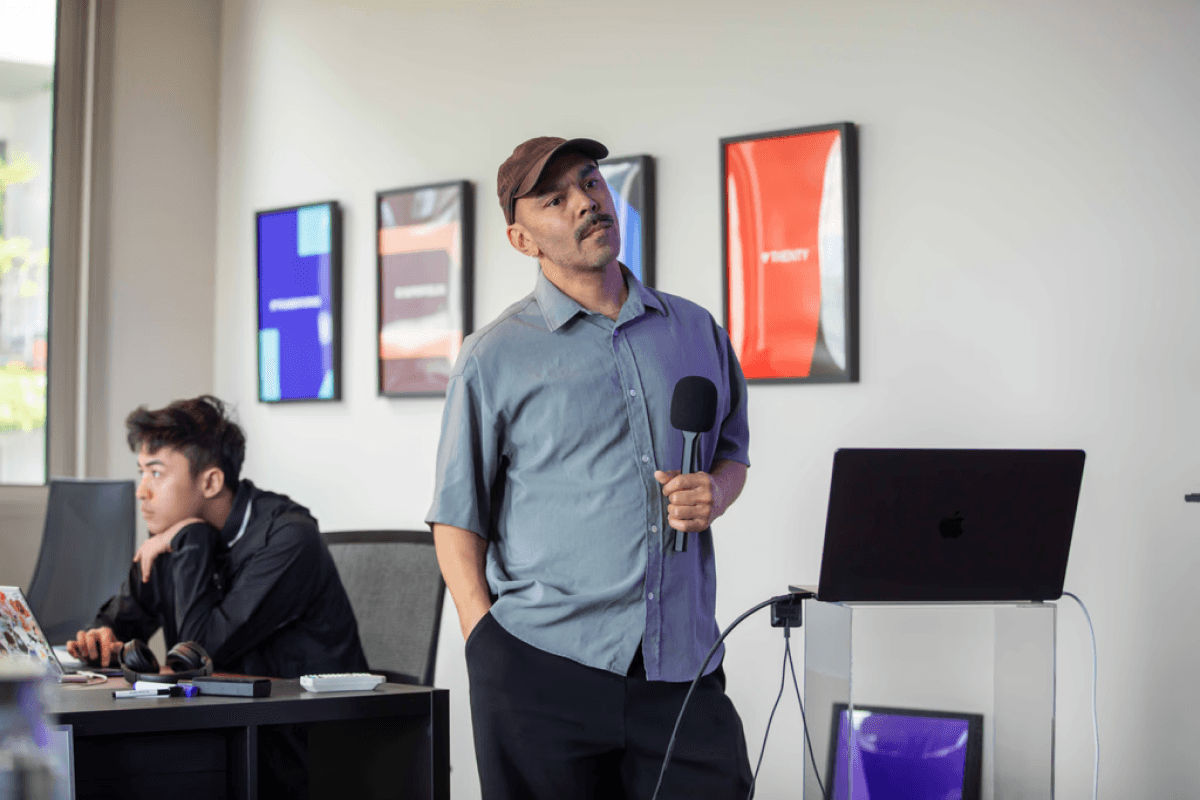
He is present across the full width of what Craate does. In brand strategy workshops and on video shoots. Inside web development reviews and in quiet rooms with founders who are trying to think clearly about where their businesses are heading. He does not direct from a distance. He is across the detail because that is where he believes the best work originates.
It is an unusual thing for a founder and creative director at his level to operate this way. Most people with his experience have moved away from the work. Cesar has moved deeper into it. The hands-on approach is not a habit he has not yet broken. It is a conviction.












The Philosophy Behind the Practice
If there is a single tension that runs through everything Cesar thinks and builds, it is the relationship between structure and freedom.
He believes frameworks do not constrain creativity. They liberate it. A brand that knows precisely what it stands for, where it is going, and who it is speaking to produces creative work that is fearless. Without that clarity, even genuinely beautiful work tends to miss. It lands without resonance. It does not accumulate. It does not build anything lasting.
This is why, at Craate, brand strategy is never separate from creative execution. They are the same conversation. The positioning work and the visual language and the campaign thinking and the content strategy all flow from the same place. When they are disconnected, work becomes expensive decoration. When they are aligned, it becomes a compounding asset.
Cesar's intellectual interests are wide, and they inform his practice directly. He is drawn to architecture and the built environment. To the question of how physical and digital spaces are experienced by the people moving through them. To the intersection of behaviour, emotion, and design. To the way the environments that humans inhabit, whether they are buildings, brands, or digital platforms, shape the way those humans think and feel and act.
Everything he builds is ultimately rooted in a humanist question. How does this make a person feel? What does it make them do? And does it do that consistently, at scale, over time?
He is, at his core, a storyteller. The medium has changed. The instinct has not.
WHAT PEOPLE ARE SAYING